Gate of Heaven 3D Shadowbox Papercut Review
As a professional embroidery digitizer and product reviewer, I approach every new file with a critical eye. When I first loaded the Gate of Heaven 3D Shadowbox Papercut into my software, I wasn't just looking at lines on a screen; I was evaluating how this intricate digital asset would translate into thread, texture, and tangible value for my clients. While categorized under "Other" and formatted as a 3D SVG, this design bridges the gap between digital papercraft aesthetics and traditional needlework. It promises to transport viewers to a heavenly realm through biblical storytelling, but as makers and business owners, we need to know if it can survive the rigors of production while maintaining that ethereal beauty.
Translating Digital Depth to Thread Texture
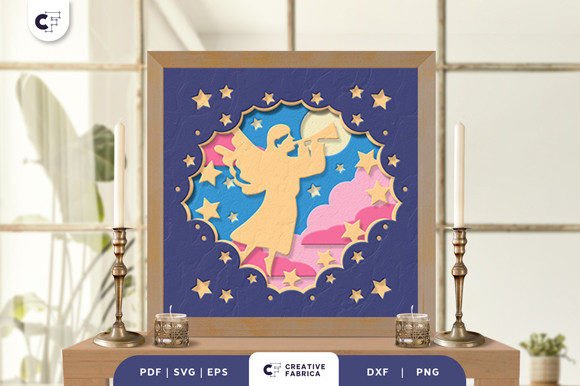
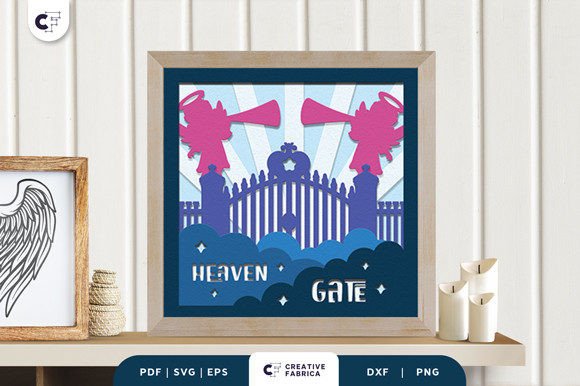
The immediate visual impact of the Gate of Heaven 3D Shadowbox Papercut is its sense of layered depth. In the digital preview, the shadows create a stunning three-dimensional effect. However, in embroidery, we cannot rely on digital drop shadows. We must create physical dimension through stitch density and layering. My first impression was that this design demands a strategic approach to stitch density. To replicate the shadowbox feel, you cannot simply use flat fills. You will likely need to utilize varying heights of satin stitches or padded appliqué techniques to lift the "gate" elements off the background fabric.
This machine embroidery design feels inherently architectural. The lines are deliberate, suggesting a structure that requires stability. For an embroidery project, this means the layout is less about fluid, organic movement and more about precise alignment. If you are an Etsy seller or boutique owner, this design signals high craftsmanship. It does not look like a quick, low-stitch-count filler; it looks like a centerpiece. The mood is reverent and detailed, making it naturally suited for items where emotional resonance matters as much as visual appeal.
Real-World Application: The Custom Nursery Blanket Test
To truly evaluate this file, I mentally applied it to a recent client request: a personalized keepsake blanket for a baptism gift. This is a common scenario for small shop products and holiday embroidery orders. The client wanted something that felt spiritual yet durable enough for a baby. Here is how the Gate of Heaven 3D Shadowbox Papercut performed in this specific context.
I envisioned placing the design in the lower right corner of a plush minky blanket. The challenge with minky is its pile; it can swallow fine details. Because this design relies on the interplay of light and shadow to achieve its 3D effect, I had to consider using a heavy-weight tear-away stabilizer topped with a water-soluble film to keep the stitches crisp. Without this foundation, the "heavenly realm" aesthetic would collapse into a muddy mess of sunk stitches.
For the color palette, I moved away from standard bright whites. Instead, I tested cream, soft gold, and pale blue thread colors against a white background. This tonal variation mimics the lighting effects of a real shadowbox. The result was a sophisticated, textured piece that looked far more expensive than a standard flat embroidery. For a handmade product intended as a personalized gift, this level of detail justifies a higher price point. Customers trust makers who understand that texture equals quality. However, I noted that the intricate inner arches required slowing down the machine speed to ensure registration remained perfect. Rushing this design on a curved or textured surface would be a mistake.
Navigating Fabric Limitations and Hoop Constraints
While the Gate of Heaven 3D Shadowbox Papercut is a masterpiece visually, it requires careful placement. As an experienced designer, I must highlight where this embroidery file might struggle. The complexity of the 3D layers creates significant pull. I would advise against using this on thin, stretchy fabrics like lightweight jersey or performance wear without extensive stabilization testing. The weight of the dense stitching could distort the garment, causing the gate to pucker rather than stand proud.
Furthermore, consider your hoop size. This design likely loses its grandeur if shrunk below a certain threshold. The negative spaces between the "papercut" layers are essential for the 3D illusion. If you reduce the design too much for a cap or a small pocket patch, those gaps may close up during stitching, destroying the shadow effect. Always check the minimum recommended dimensions before resizing. For tote bag designs or sweatshirt embroidery, you have the canvas space to let the design breathe. On smaller items like baby bibs or kitchen towels, verify that the smallest text or filigree elements remain legible after washing.
Dark fabrics also present a unique challenge. A shadowbox relies on contrast. Stitching white-on-white creates depth through texture, but stitching white-on-black flattens the image because the shadows disappear into the fabric. If you plan to offer this as custom apparel on dark garments, you may need to add a background fill stitch or a border to frame the gate and preserve the dimensional illusion.
Commercial Viability for Makers and Sellers
For creative entrepreneurs and digital product sellers, the versatility of this 3D SVG extends beyond the hoop. Before committing to a production run, use the file to create printable mockups. The clean vector lines of the original 3D SVG format make it excellent for digital previews, allowing customers to visualize the finished product before they buy. This builds buyer engagement and reduces return rates.
However, always confirm licensing terms. Just because a file is sold as a digital embroidery file does not automatically grant unlimited commercial rights for mass-produced merchandise. Verify whether you can sell the finished embroidered patch, the custom apparel, or if the license restricts you to personal use only. Professionalism involves respecting intellectual property as much as mastering stitch types.
In terms of market fit, this design excels in niches that value tradition and sentimentality. It is ideal for:
- Religious Gifts: Baptism, confirmation, and wedding memorabilia.
- Memorial Items: Pillow covers or wall hangings honoring loved ones.
- Boutique Home Decor: High-end nursery accents or entryway textiles.
- Church Merchandise: Fundraising tote bags or volunteer aprons.
Essential Designer Notes for Success
Before you thread your needle or list this item in your shop, adhere to these practical guidelines derived from reviewing the Gate of Heaven 3D Shadowbox Papercut:
- Test on Scrap Fabric First: Never assume default settings will work. The 3D nature of this design requires verifying tension and stabilizer choice on the exact material you intend to use.
- Audit Stitch Density: Check if the file includes underlay stitches appropriate for 3D effects. If not, you may need to edit the embroidery file to add padding runs beneath the top layers.
- Evaluate Contrast: Run a black-and-white simulation in your software. If the design disappears without color, it relies too heavily on hue rather than texture. Adjust accordingly.
- Inspect Small Details: Zoom in to 400%. Are there single running stitches connecting major elements? These are potential break points. Reinforce them or trim them manually.
- Verify Compatibility: Ensure the 3D SVG converts cleanly to your specific machine format (PES, DST, JEF, etc.) without losing the layered grouping that defines the shadowbox effect.
The Gate of Heaven 3D Shadowbox Papercut offers a unique opportunity to elevate your embroidery portfolio beyond standard flat designs. It challenges the maker to think sculpturally about thread. By respecting the technical requirements of translating a 3D digital concept into a physical medium, you can create heirloom-quality pieces that resonate deeply with customers. Whether you are crafting a singular personalized gift or building a line of commercial embroidery products, this design serves as a testament to the power of thoughtful, dimensional artistry.